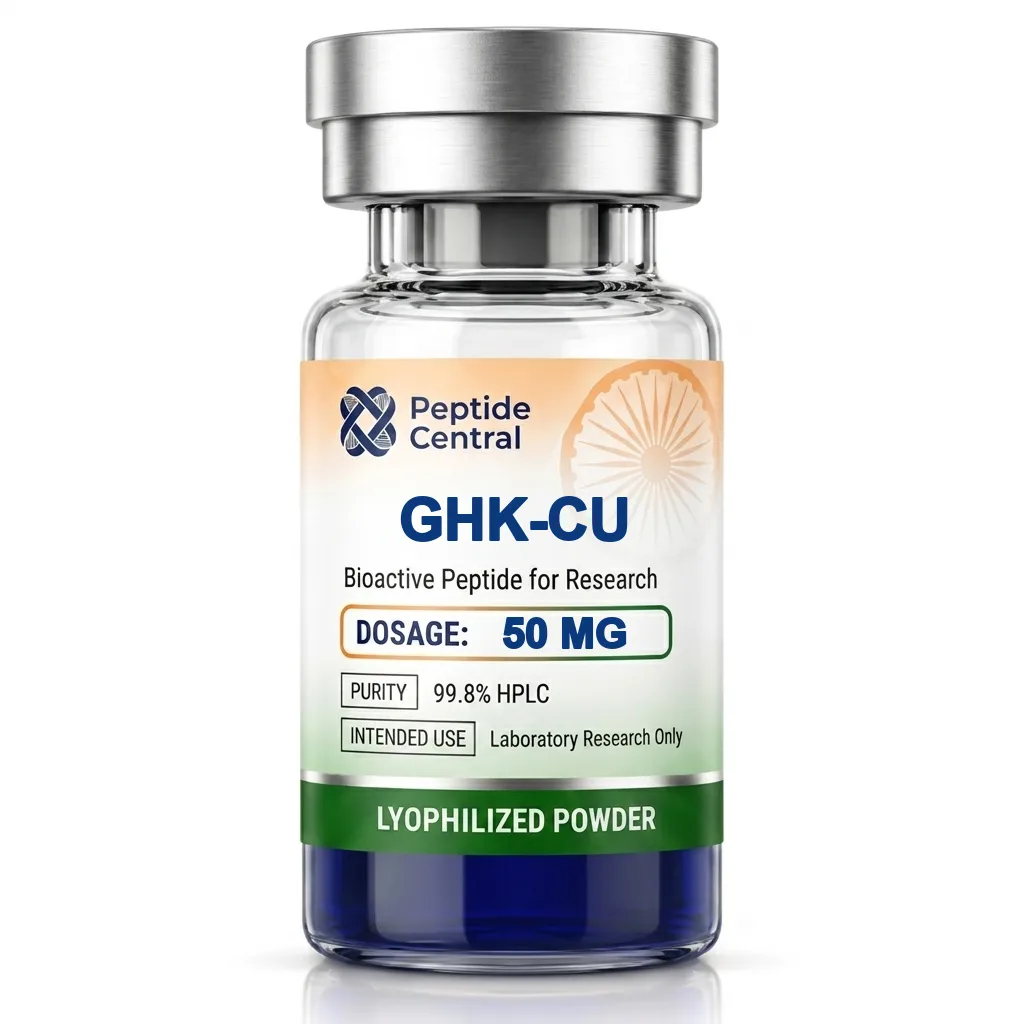
What is GHK-Cu?
GHK-Cu (Glycyl-L-histidyl-L-lysine copper) is a naturally occurring copper-binding tripeptide found in human plasma, urine, and saliva. Discovered in the 1970s, it plays a fundamental role in wound healing, tissue remodeling, and cellular regeneration. GHK-Cu levels decline sharply with age, making it one of the most studied anti-aging compounds in modern peptide research.
Research Benefits
- Stimulates collagen and elastin synthesis for improved skin firmness and elasticity
- Activates hair follicle signaling pathways — researched for hair density and growth
- Upregulates antioxidant enzymes including SOD and catalase to combat oxidative stress
- Accelerates wound closure and scar remodeling via TGF-beta and VEGF pathways
- Exhibits potent anti-inflammatory properties by modulating NF-kB signaling
- Promotes angiogenesis and nerve outgrowth for systemic tissue recovery
Dosage & Protocol
Typical research protocols use 1–2 mg/day administered subcutaneously or topically. For skin and hair research, topical concentrations of 0.1–1% are commonly studied. Subcutaneous protocols often run 4–8 weeks with a rest period. Half-life is approximately 24 hours, supporting once-daily administration.
Frequently Asked Questions
GHK-Cu is primarily researched for skin rejuvenation, hair follicle activation, wound healing acceleration, and anti-inflammatory effects. It has also been studied for its role in reversing genetic age markers in aging skin cells.
Yes. Research on GHK-Cu includes both subcutaneous injection protocols and topical application. Topical formulations at 0.1–1% concentrations are commonly used in cosmetic research settings.
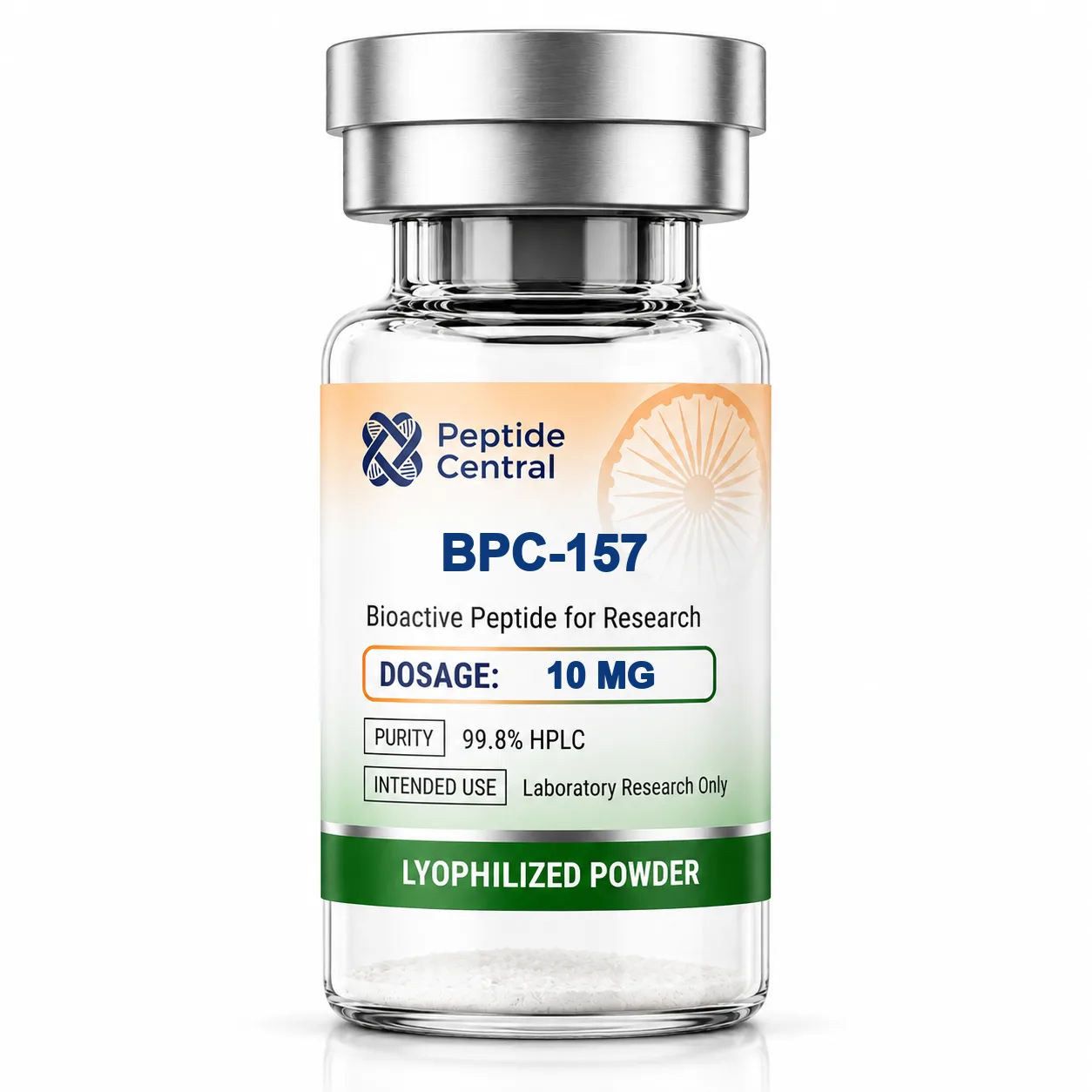
GHK-Cu excels at skin, hair, and collagen-focused recovery while BPC-157 is better studied for gut lining repair and tendon healing. Many protocols combine both for comprehensive recovery support.